History of Kuppam
From ancient roots to a growing educational and agricultural hub in Andhra Pradesh
Kuppam Through the Ages
A quick chronological index — tap any era to jump to the full story below
Satavahana, Pallava, Chola and Vijayanagara influence shape the wider region.
Feudal chieftaincies, including local Naidu ruling families, govern the area.
Kuppam is connected by rail, a legacy that still serves the town today.
Kuppam becomes part of independent India's new state boundaries.
Nine-term MLA leadership and community initiatives shape modern Kuppam.
Higher education reshapes Kuppam into a student destination.
Tomato, mango and mulberry farming anchor the local economy.
Kuppam balances its agricultural roots with modern civic growth.
Better connectivity, digital access, and sustainable growth ahead.
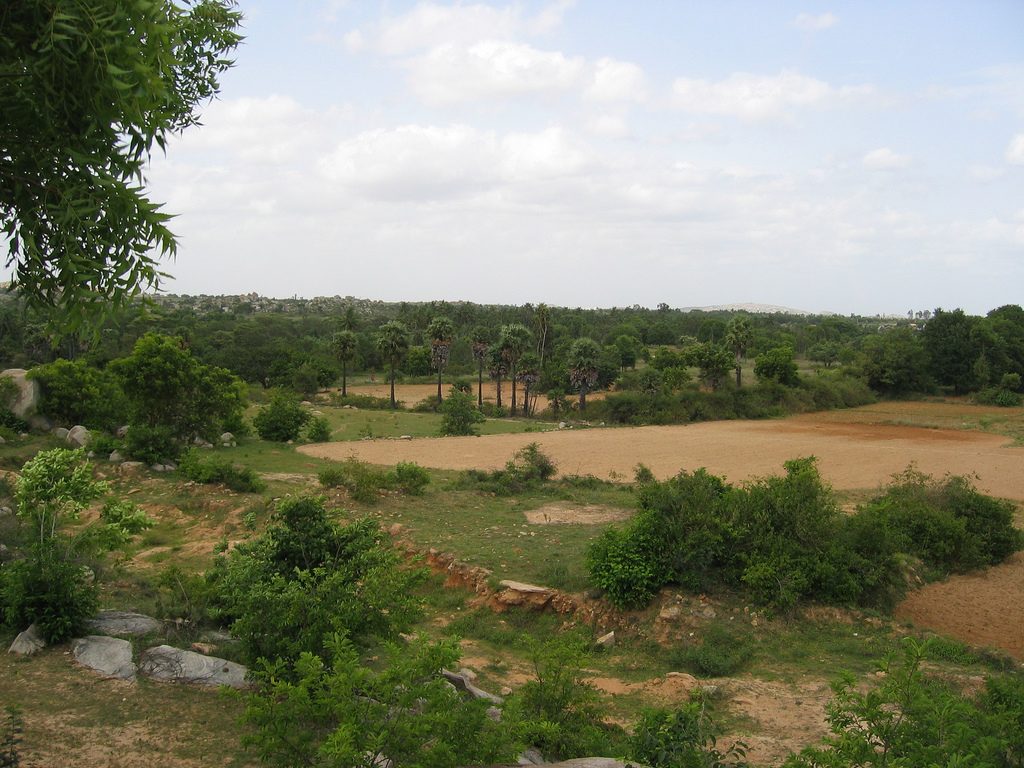 Landscape near Kuppam
Introduction to Kuppam
Kuppam is a town and mandal headquarters in Chittoor district, Andhra Pradesh, sitting close to the tri-junction where Andhra Pradesh, Tamil Nadu and Karnataka meet. Its location has long made it a meeting point of Telugu, Tamil and Kannada language and culture.
Ringed by hills and known for a relatively pleasant climate, Kuppam has grown from a rural agricultural centre into a town recognised for its university, engineering colleges, and produce markets — while still holding on to its small-town, close-knit character.
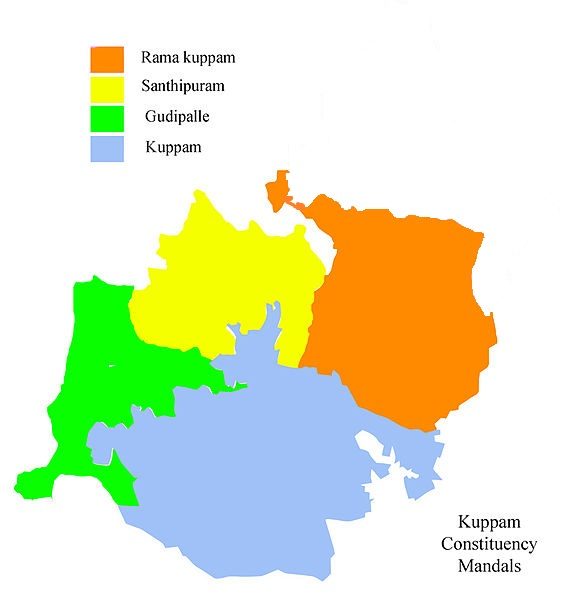 Kuppam constituency map
Origin of the Name "Kuppam"
"Kuppam" is widely understood locally to mean a meeting place or confluence — a fitting name given the town's position at the tri-junction of three states. It follows a Dravidian-language place-naming pattern common across the Telugu- and Tamil-speaking border region.
Local oral histories may offer more specific accounts of the name's origin — an area where community knowledge can meaningfully add to this page over time.
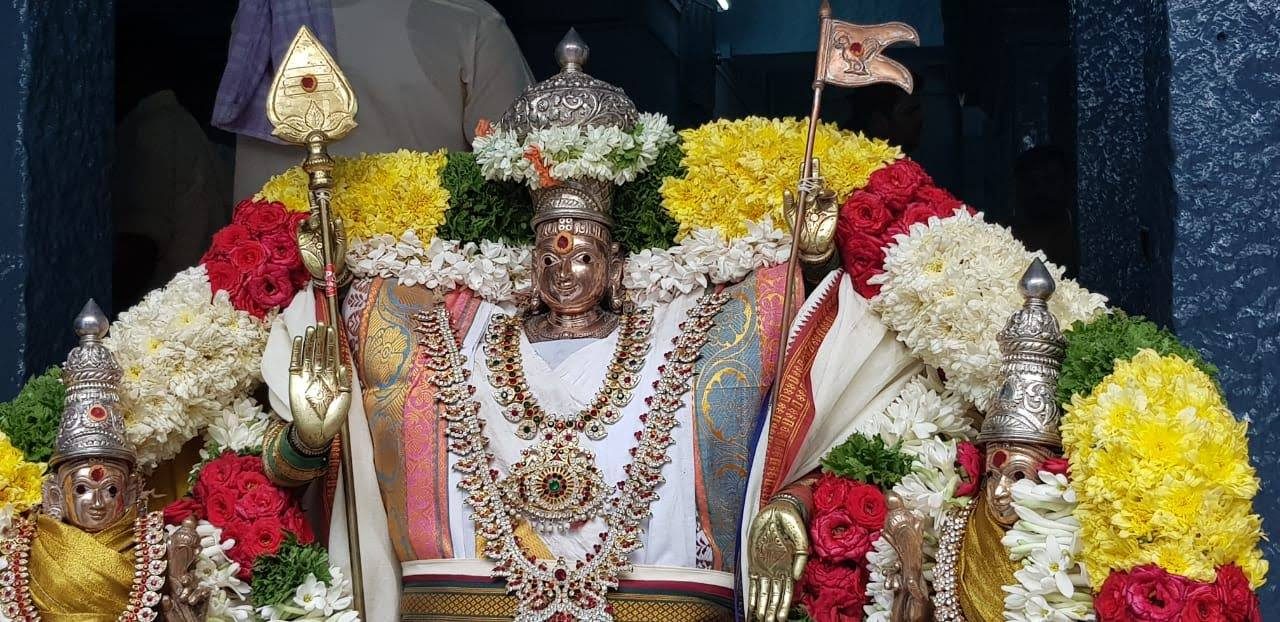 Sri Subrahmanya Swamy Temple, Kuppam
Ancient History
The wider Rayalaseema and southern Andhra region — of which Chittoor district and Kuppam are part — has been shaped over centuries by successive South Indian dynasties, including the Satavahanas, Pallavas, Cholas, and later the Vijayanagara Empire, each leaving behind temple architecture, irrigation tanks, and inscriptions across the region.
Kuppam's own Sri Subrahmanya Swamy temple carries that long temple-building tradition forward, remaining an active place of worship for the local community today.
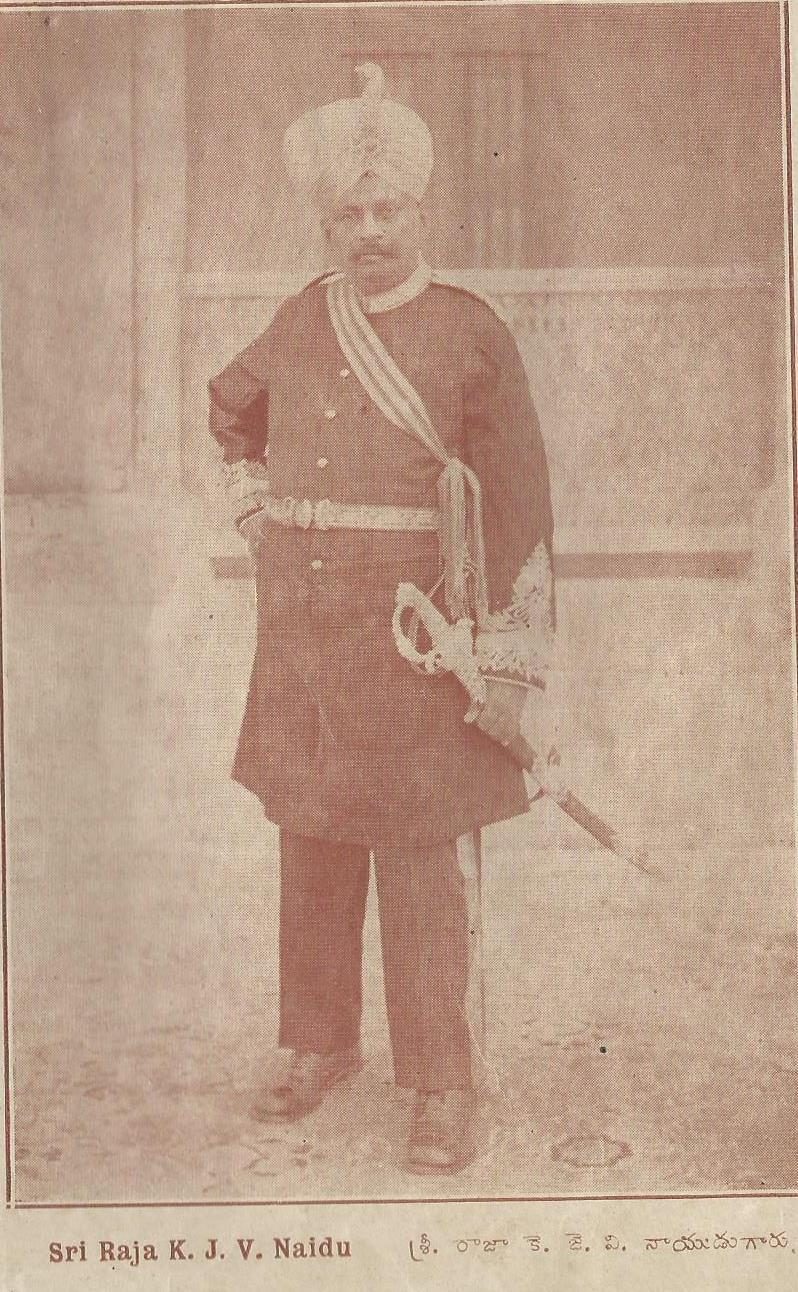 Raja K.J.V. Naidu of Kuppam
Medieval History
During the medieval period, the region came under the influence of the Vijayanagara Empire and, later, local Nayaka and zamindari chieftaincies who governed on its behalf — a pattern reflected across Chittoor district. Kuppam's own Naidu ruling lineage, including figures such as Raja K.J.V. Naidu pictured here, forms part of this local feudal history.
These centuries laid much of the agrarian and temple-centred village structure that characterises the Kuppam area to this day.
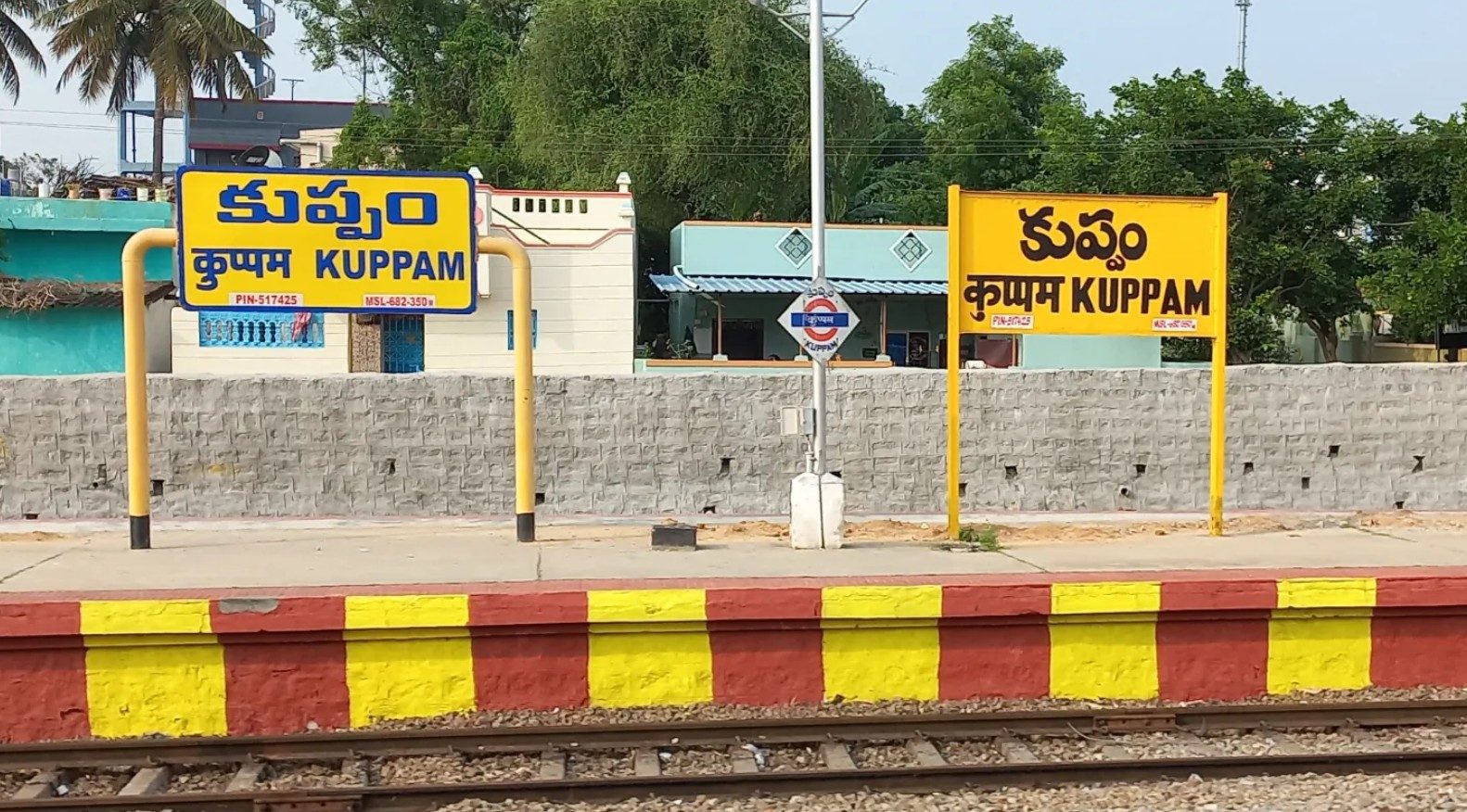 Kuppam Railway Station
British Colonial Period
Under British rule, the area was administered as part of the Madras Presidency. The colonial era brought the railway line through this part of Chittoor district, connecting Kuppam to wider trade and administrative networks — Kuppam's own railway station, still in use today, remains a direct legacy of that period of infrastructure expansion.
Colonial-era revenue and administrative records from this time offer another rich vein of local history worth documenting alongside this page.
 Kuppam i-community, early development era
History After Indian Independence
After 1947, the region became part of independent India's evolving state boundaries — first Madras State, then the Andhra State formed in 1953, and finally the unified Andhra Pradesh created in 1956. Kuppam settled into its present role as a mandal headquarters within Chittoor district.
Community and literacy initiatives, like the Telugu-language book release pictured here, mark the kind of grassroots development activity that shaped Kuppam in the decades that followed.
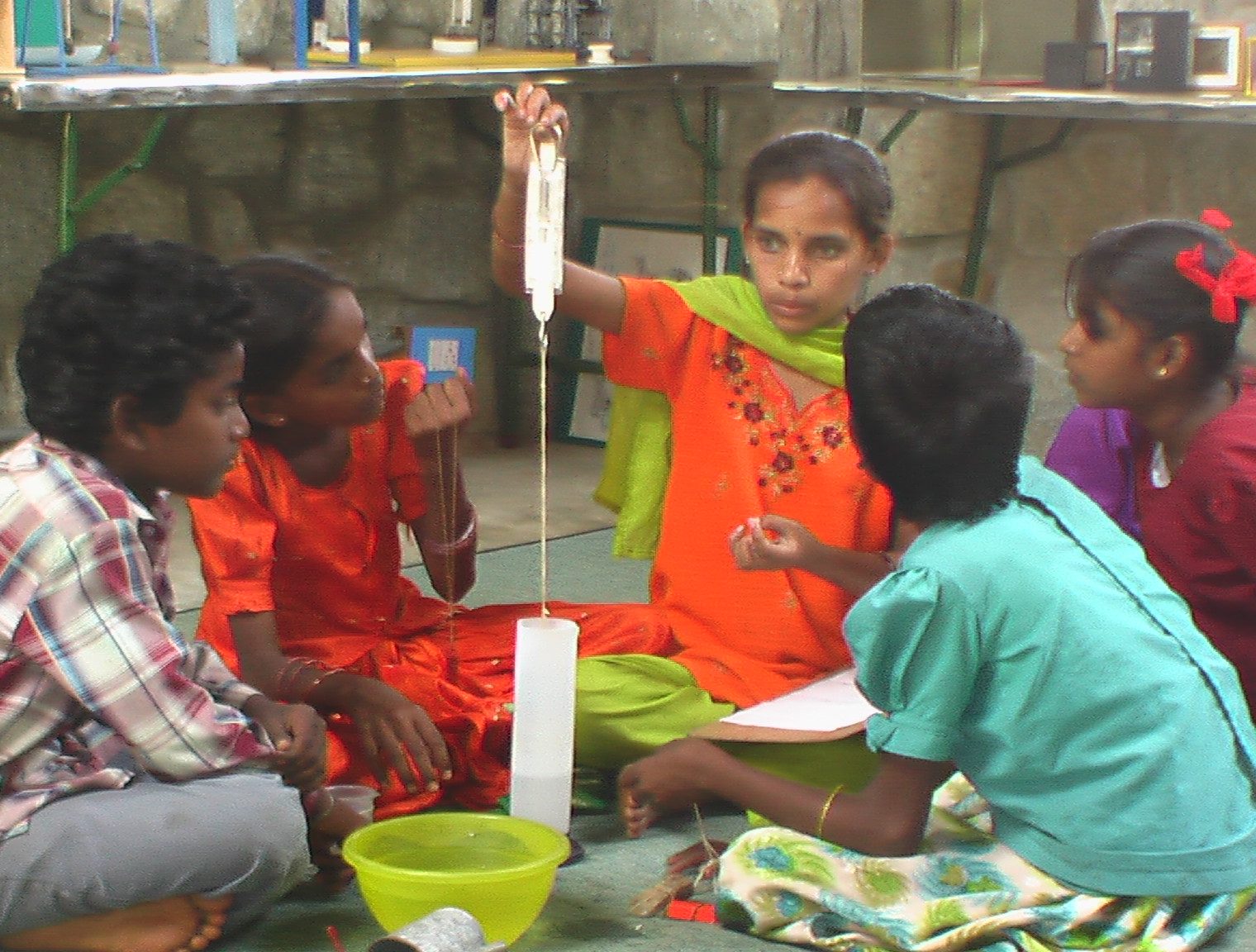 Kuppam community learning centre
Development of Kuppam
Over the last few decades, Kuppam has seen sustained investment in roads, drinking water, power supply, and public buildings, alongside hands-on community learning initiatives that brought interactive science and skill-building facilities to local children and residents.
This steady, incremental development is a recurring theme in the town's recent history rather than any single turning point.
 Kuppam Area Development Authority
Political Importance
Kuppam is a state legislative assembly constituency in Andhra Pradesh, represented for an extended period by N. Chandrababu Naidu, who has served as Chief Minister of Andhra Pradesh — a long association that has kept Kuppam prominent in state-level development planning, including through dedicated bodies like the Kuppam Area Development Authority shown here.
This section focuses on Kuppam's administrative and electoral significance rather than on individual political narratives.
 N. Chandrababu Naidu & Nara Bhuvaneswari
N. Chandrababu Naidu & Nara Bhuvaneswari
N. Chandrababu Naidu, a nine-term MLA who has represented Kuppam continuously since 1989, is closely associated with the town's rise as an education and civic hub — including the founding of Dravidian University in 1997, Kuppam Engineering College, and the Kuppam Area Development Authority (KADA), which has driven local roads, drinking water, and infrastructure projects over the years.
His wife, Nara Bhuvaneswari — Managing Trustee of the NTR Trust and Vice Chairperson of Heritage Foods — has made regular visits to schools across the Kuppam constituency, including outreach at the Zilla Parishad High School in Kenchanaballa, supporting scholarships, healthcare camps, and environmental initiatives such as sapling plantations for local students.
Together, their long association with Kuppam is one of the more visible threads running through the town's modern development story.
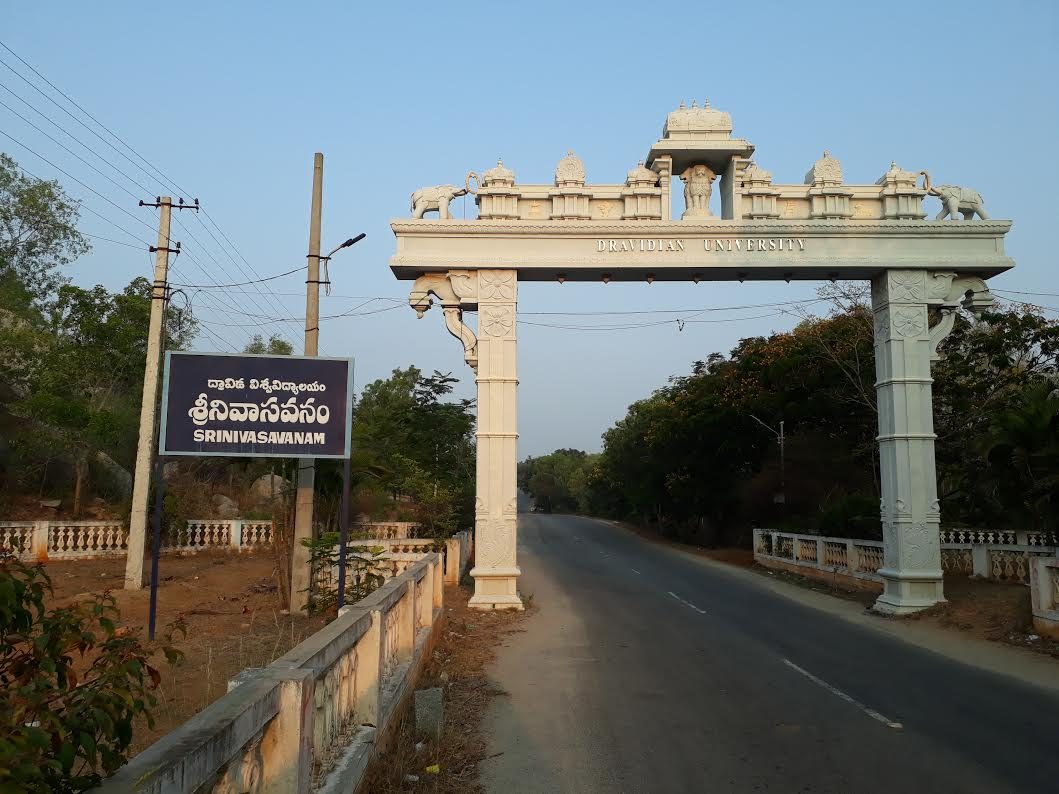 Dravidian University, Kuppam
Educational Growth
Kuppam is home to Dravidian University, established in 1997 to promote study and research on Dravidian languages and culture, along with Kuppam Engineering College and other degree colleges that have grown up around it — together turning the town into a destination for students from across the tri-state border area.
This growth in higher education has been one of the most visible drivers of Kuppam's modern development, bringing a steady student population and associated local economy.
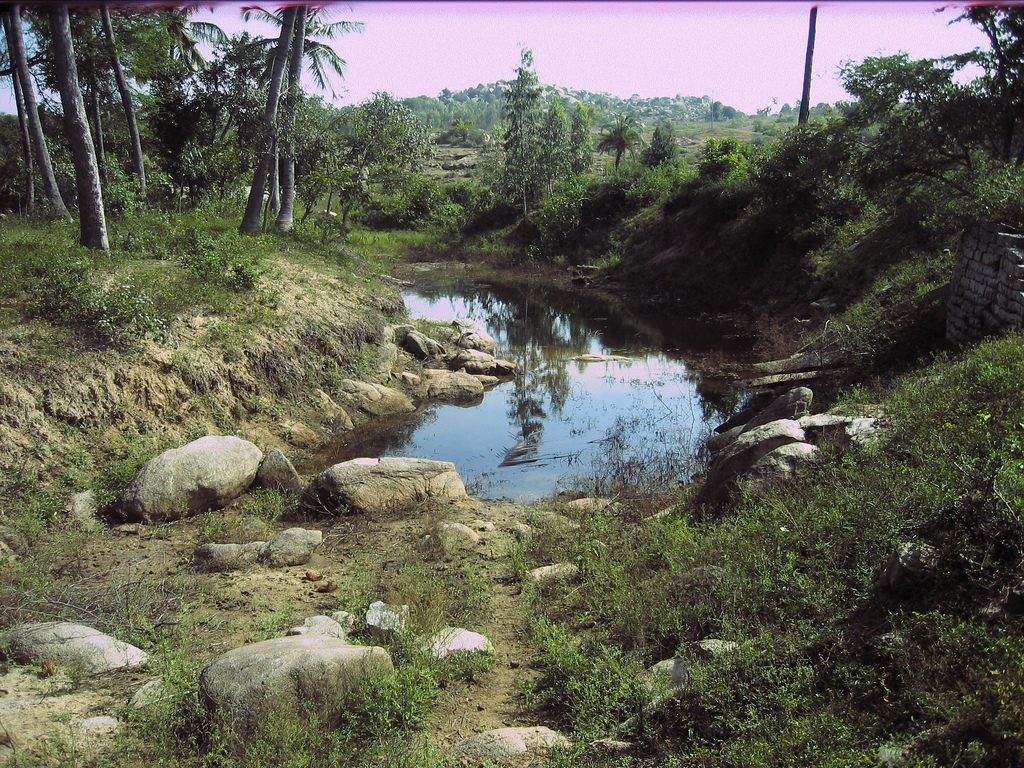 Irrigation canal near Kuppam
Agriculture and Economy
Kuppam's economy has long rested on agriculture — the area is particularly well known for tomato cultivation and trade, alongside mango orchards, groundnuts, mulberry (sericulture), and a range of vegetable crops supported by local irrigation canals like the one pictured here.
Local markets built around tomato and produce trading remain a defining part of Kuppam's economic identity, even as education and services have added new dimensions to the local economy.
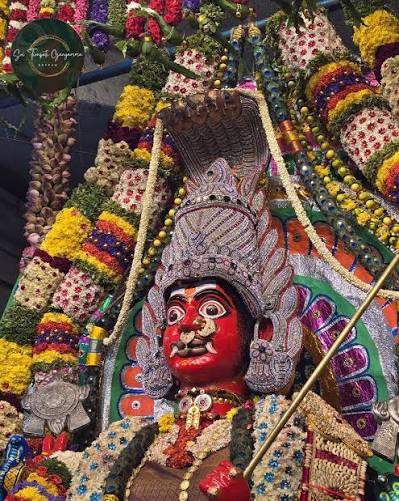 Gangamma Jatara, Kuppam
Culture and Traditions
Sitting at the meeting point of three states, Kuppam reflects a blend of Telugu, Tamil and Kannada customs, language, and cuisine. Village temple traditions such as the Gangamma Jatara pictured here, weekly markets, and extended-family community life continue to shape everyday culture in and around the town.
This cultural mix is one of Kuppam's more distinctive traits compared to towns further inside any single state.
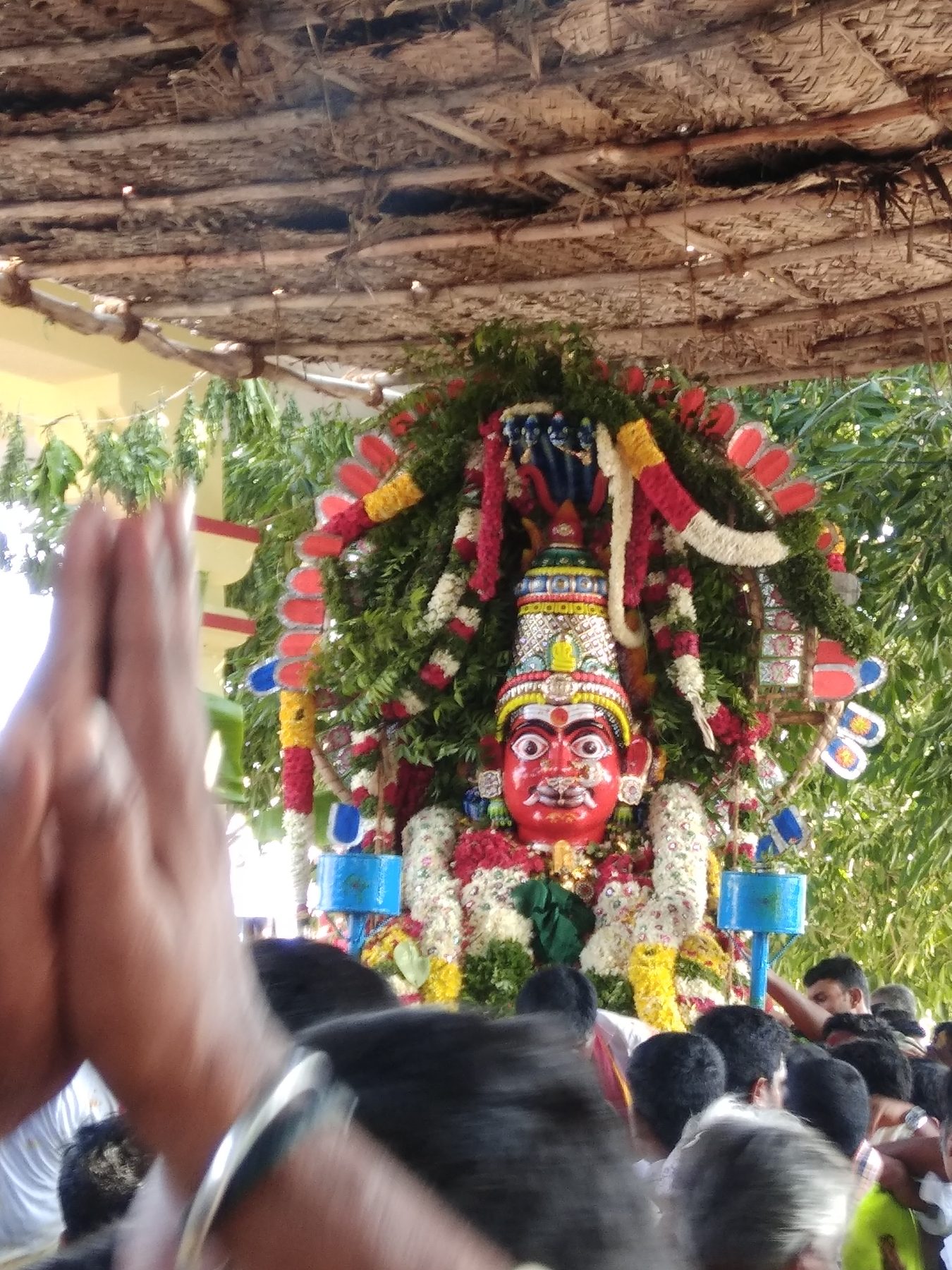 Festival celebrations, Kuppam
Festivals
Like much of Andhra Pradesh, Kuppam celebrates Sankranti, Ugadi, and Dasara with community gatherings, alongside local temple festivals (jatras) that draw residents from surrounding villages for processions, fairs, and shared meals.
These festival calendars are a good example of content best filled in further with specifics from local temple committees and residents.
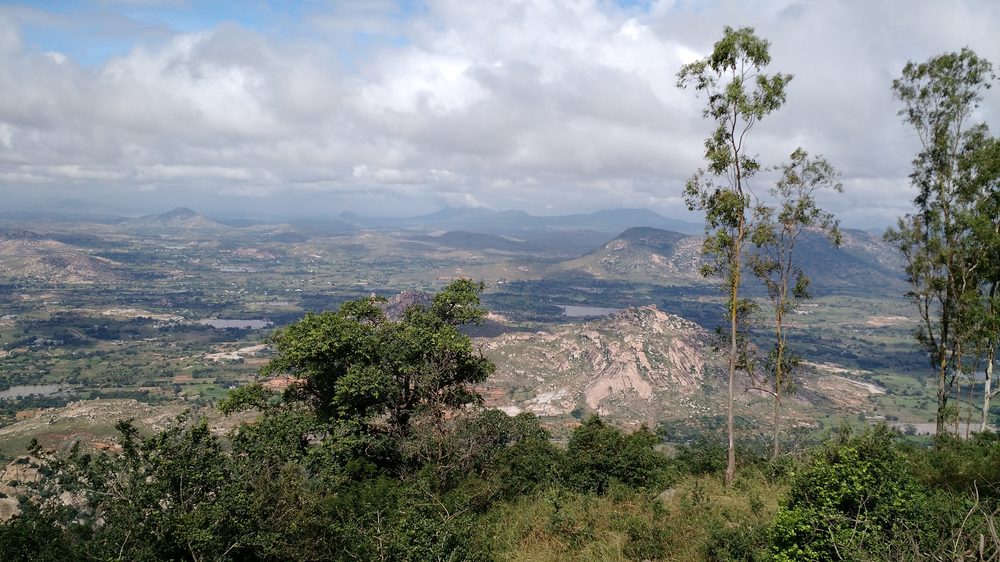 Horsley Hills, Chittoor district
Tourism and Famous Places
Kuppam sits within reach of hill destinations in Chittoor district, including the well-known Horsley Hills further north — often called the "Ooty of Andhra Pradesh" for its misty viewpoints, forests and cool climate. The Dravidian University campus itself has become a local landmark worth visiting.
See the Gallery section below for more scenic views of the hills and surrounding countryside.
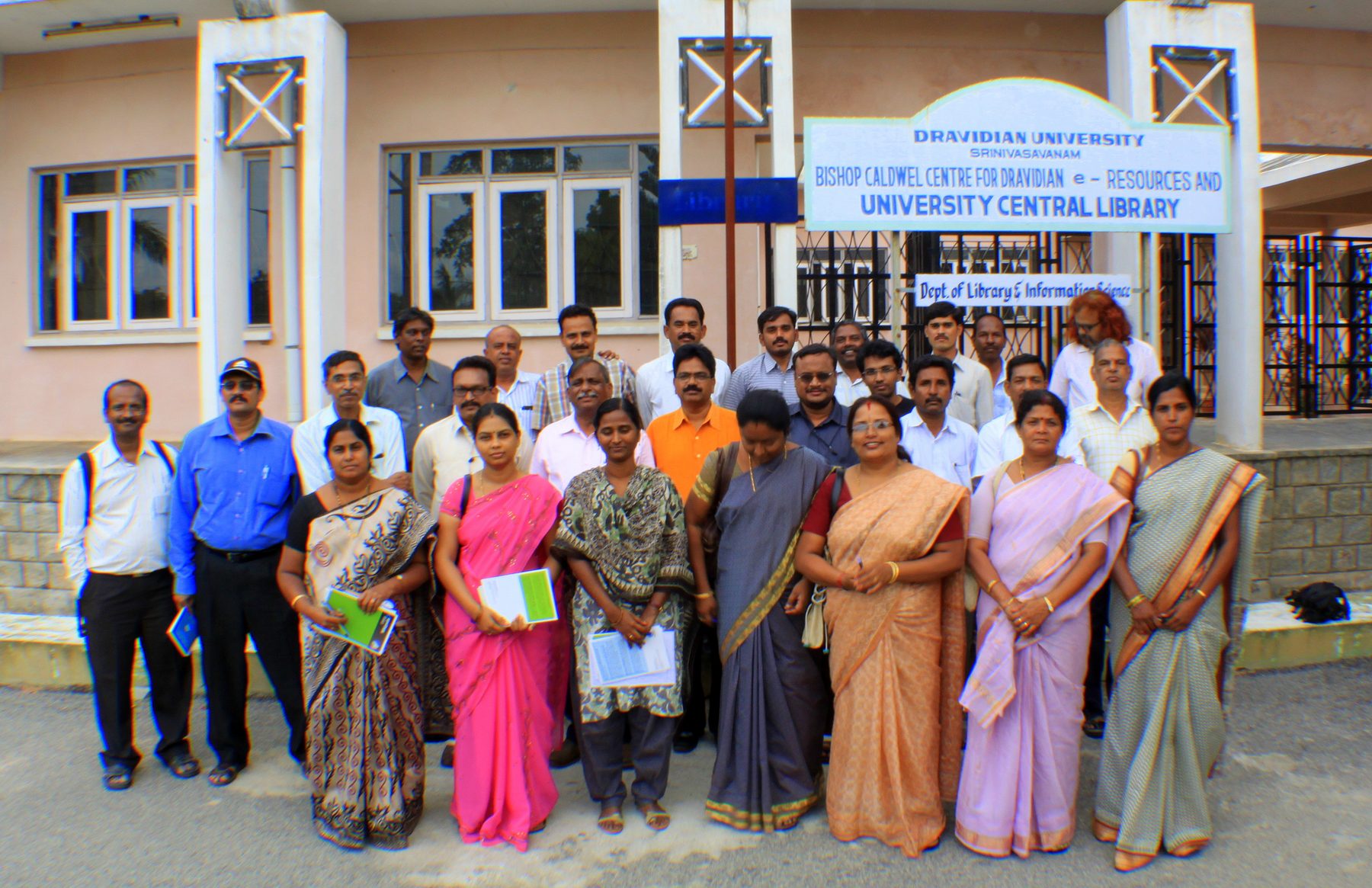 Community event, Dravidian University
Present-Day Kuppam
Today, Kuppam functions as a mandal headquarters with an active town centre, produce markets, schools and colleges, and steadily improving road and civic infrastructure — while still keeping its identity as an agricultural trading town for the surrounding villages.
Hello Kuppam itself — this directory — is part of that present-day story: a local information portal built for the town's businesses, students, job-seekers and residents.
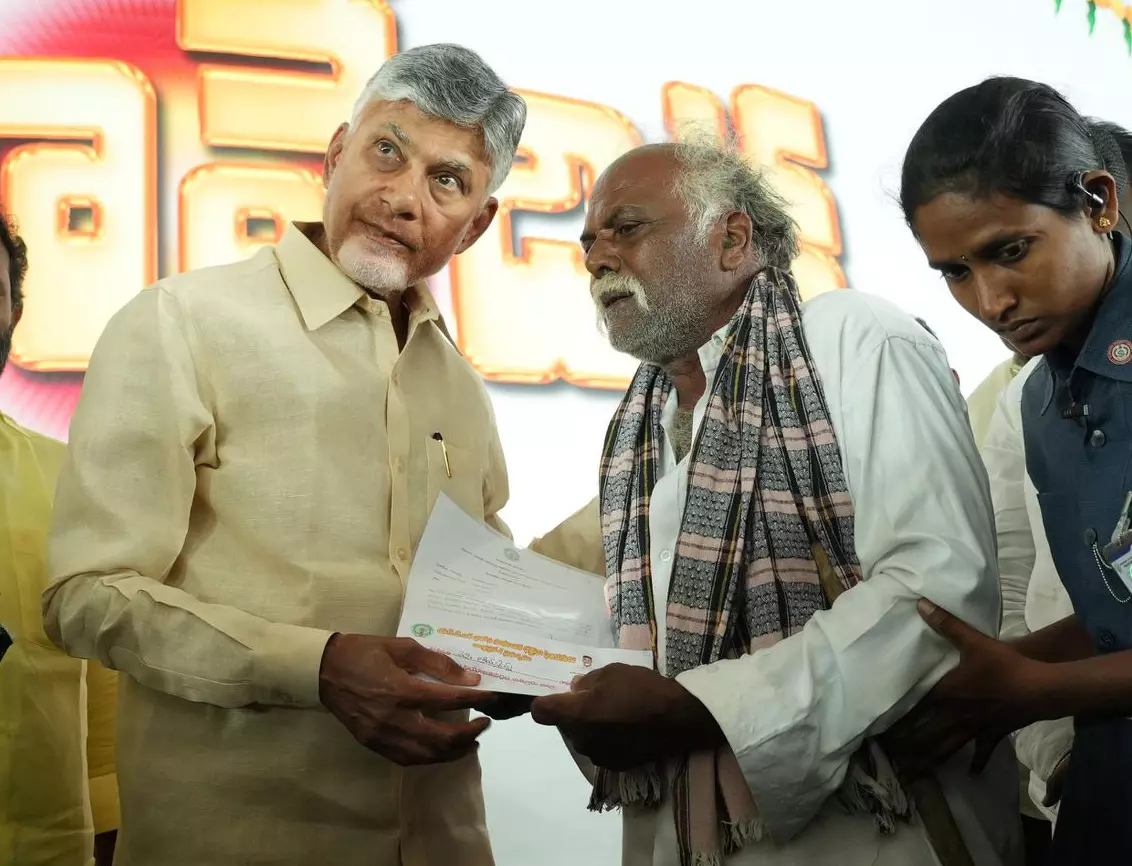 Kuppam development launch, July 2025
Future Vision
Kuppam's growth path is already in motion: an announced industrial investment plan of around ₹9,322 crore, the Swarna Kuppam initiative upgrading internal roads across the constituency, and new units such as a battery anode material plant and a Mother Dairy processing facility expected to bring thousands of local jobs.
Platforms like Hello Kuppam aim to support that future by making local businesses, jobs, services and civic information easier for everyone in the community to find and use.
Gallery of Kuppam
More glimpses of the town, its university, and the hills around it — tap any photo to enlarge
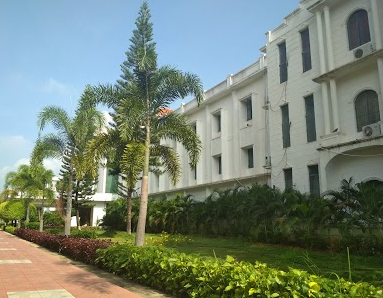 Kuppam Engineering College
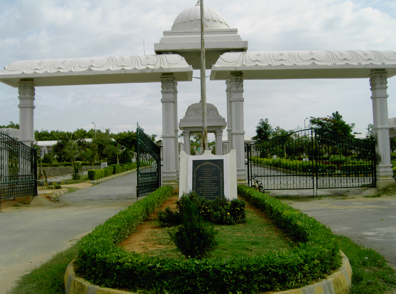 Dravidian University entrance, Kuppam
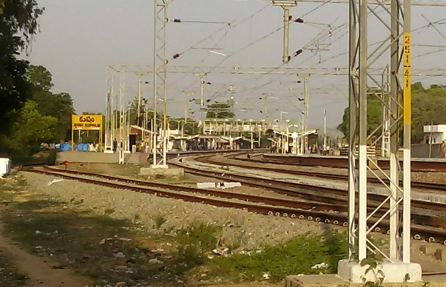 Kuppam Railway Station
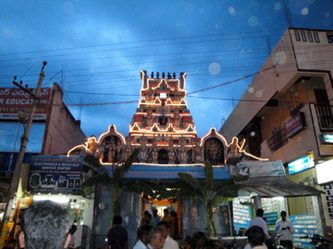 Sri KuppamSubrahmanyaswamy Temple
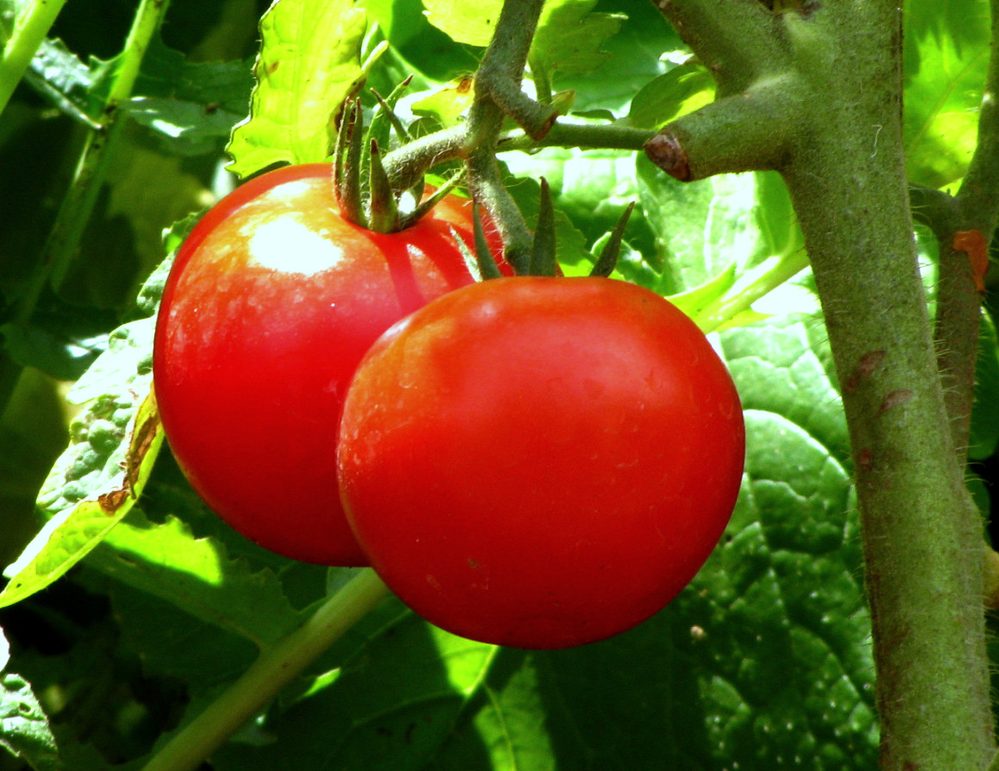 Tomato cultivation, South India
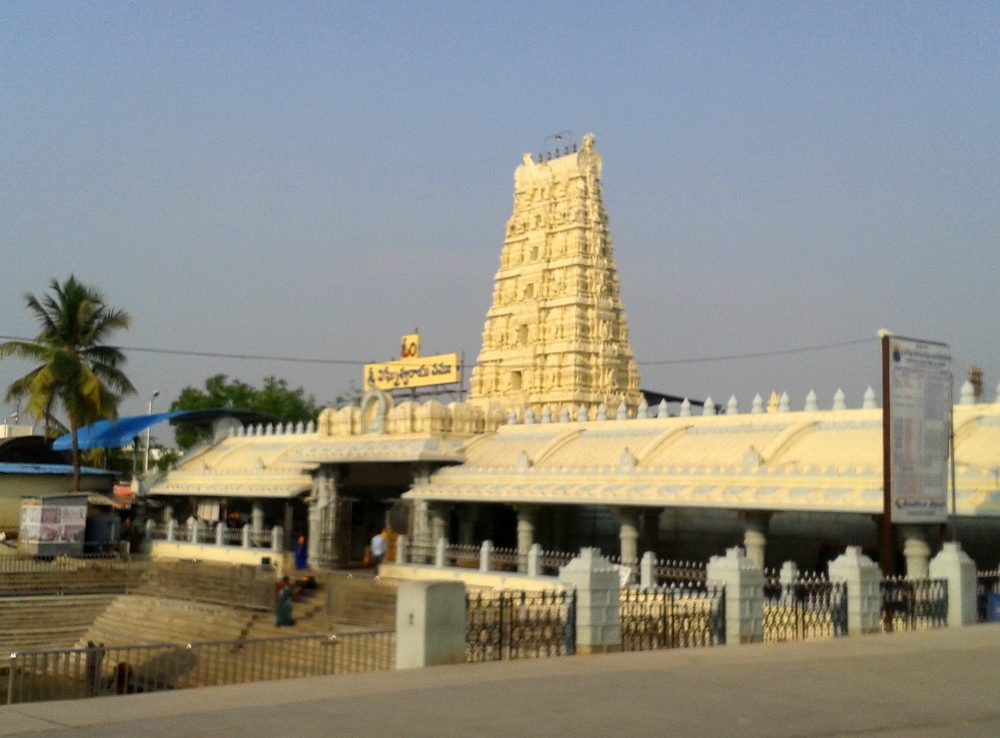 Kanipakam Temple gopuram, Chittoor district
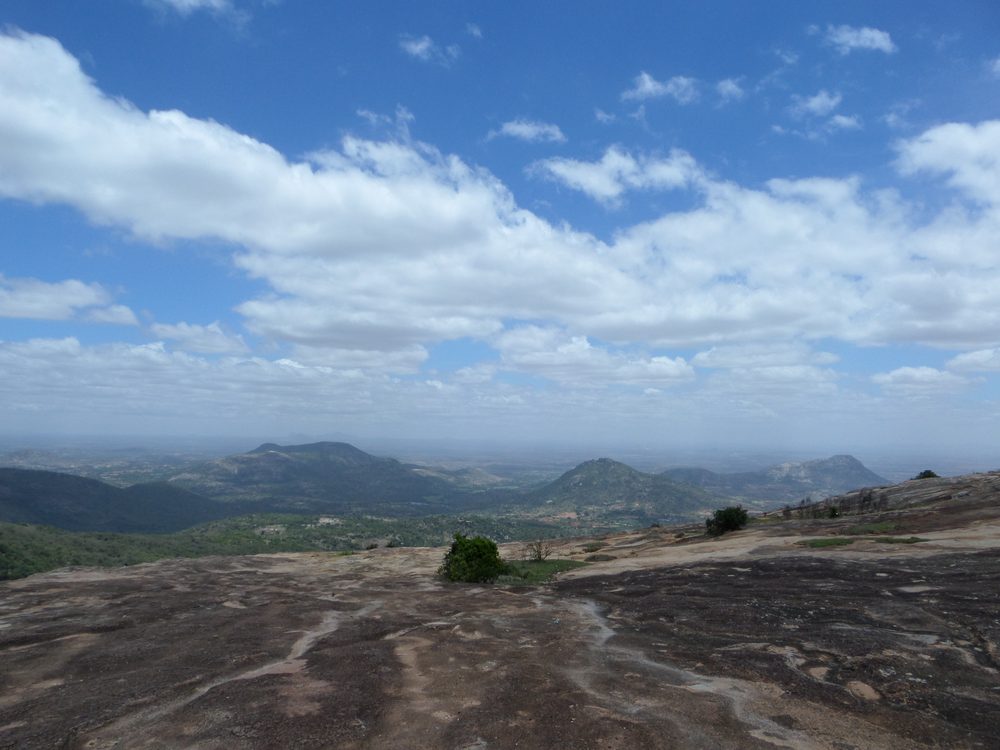 Blue mountains, Horsley Hills
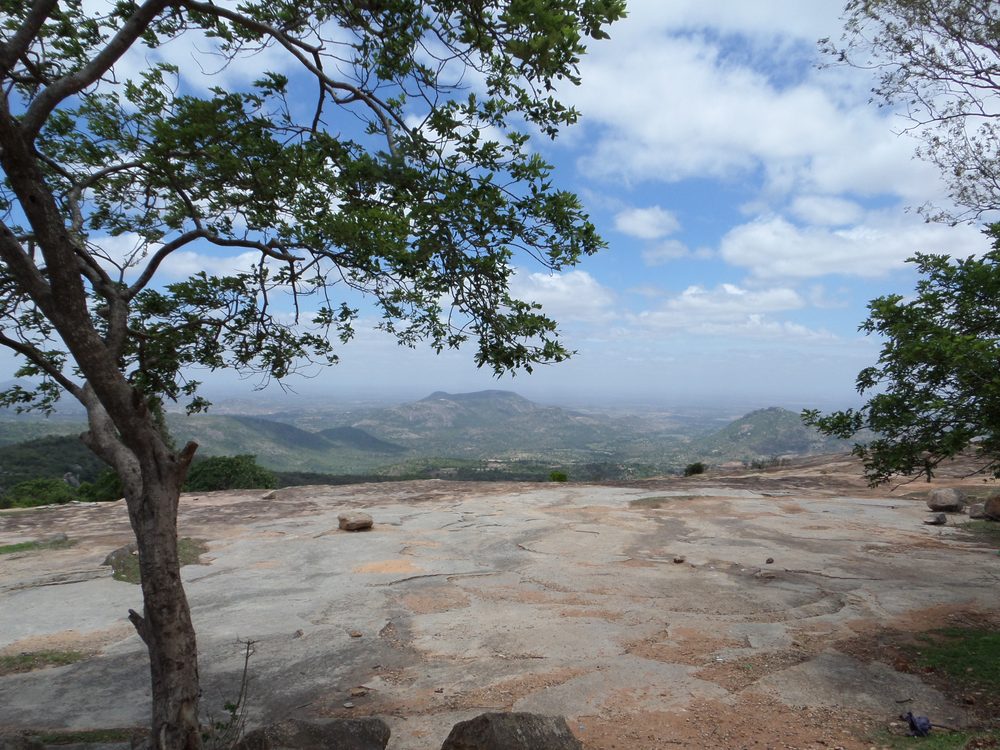 Rocky terrain, Horsley Hills
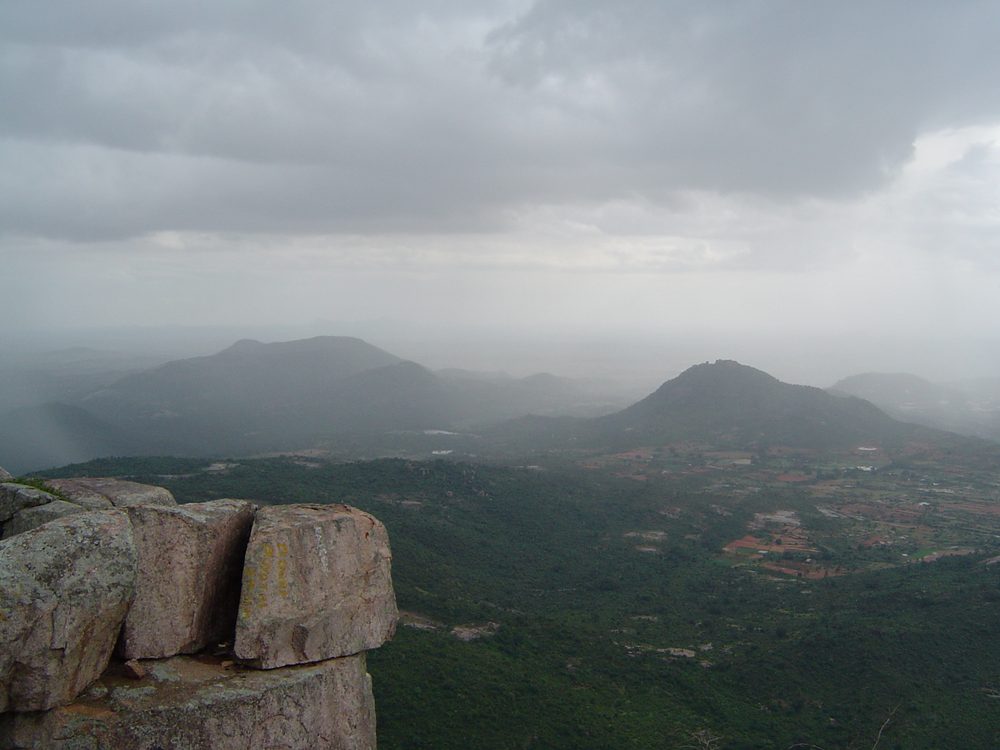 View from Horsley Hills
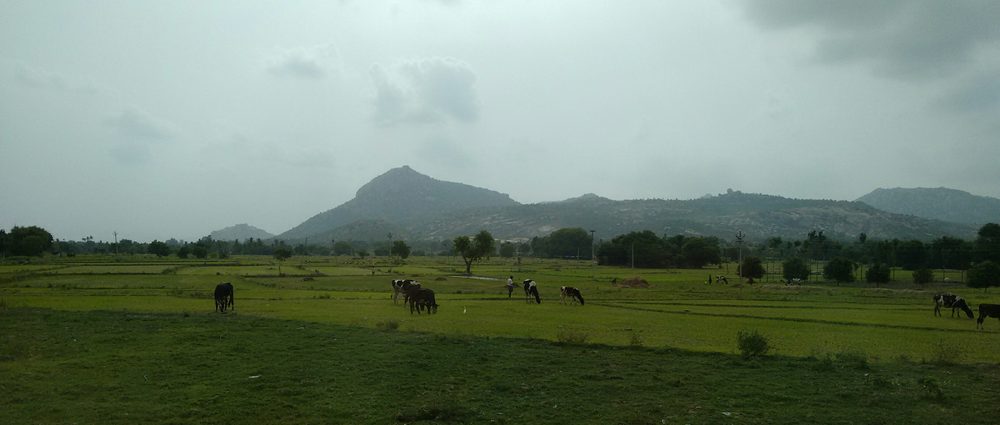 Lush green fields near the hills
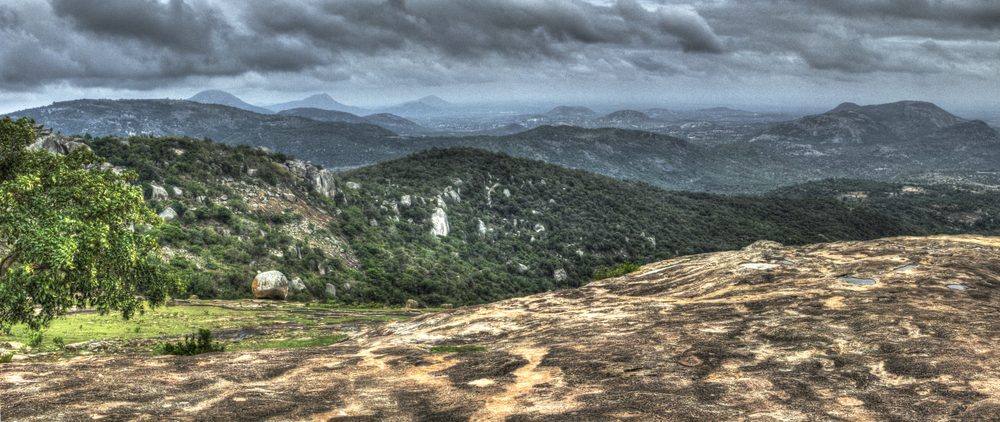 Horsley Hills, wide panorama
 Horsley Hills, ultra-wide panorama
Photo credits (Wikimedia Commons contributors)
- Scenic & landscape views near Kuppam — KuppamArunKumar, CC BY-SA 4.0
- Kuppam constituency map — Gunasekharkaluva, CC BY-SA 4.0
- Sri Subrahmanya Swamy Temple, Kuppam — KuppamArunKumar, CC BY-SA 4.0
- Raja K.J.V. Naidu of Kuppam — M.Baliah Naidu, CC BY-SA 4.0
- Kuppam railway station — Pavan Kumar, CC BY-SA 4.0
- Diana Bell / Kuppam HP i-community — Sai Sreekanth Mulagaleti, CC BY-SA 2.0
- Kuppam community learning activity — Indialeads, CC BY 3.0
- Kuppam Area Development Authority emblem — Abishek 7787, CC BY-SA 4.0
- Dravidian University, Kuppam — Drcenjary / KuppamArunKumar, CC BY-SA 3.0/4.0
- Kuppam Engineering College — KuppamArunKumar, CC BY-SA 4.0
- Tirupati Gangamma Jatara, Kuppam — KuppamArunKumar, CC BY-SA 4.0
- Kuppam festival — Kiran kumar 2029, CC BY-SA 4.0
- Horsley Hills views — Sumanth, Anil Duth, rajaraman sundaram and other Commons contributors, CC BY/CC BY-SA
- Kanipakam Temple gopuram, Chittoor district — Wikimedia Commons contributors, CC BY-SA
- Tomato cultivation, South India — Ajith Kumar, CC BY 2.0
- Wiki Academy, Dravidian University — Wikimedia Commons contributor, CC BY-SA 3.0
- N. Chandrababu Naidu & Nara Bhuvaneswari — © ANI (Asian News International); used here for informational/editorial purposes, not a Creative Commons or public-domain image like the others on this page
- Kuppam development launch, July 2025 — © Deccan Chronicle, photo by arrangement; used here for informational/editorial purposes, not a Creative Commons or public-domain image like the others on this page
Full attribution and licence terms are available on each image's Wikimedia Commons file page.